Solutions

There is no need to choose between classic and laser welding. Just like radio and TV, both techniques can reinforce each other perfectly. Laser technology is now a powerful addition to any welding arsenal, and for many companies exactly the solution they were looking for. Our focus is therefore entirely on laser technology. Whatever your challenge, we will help you.
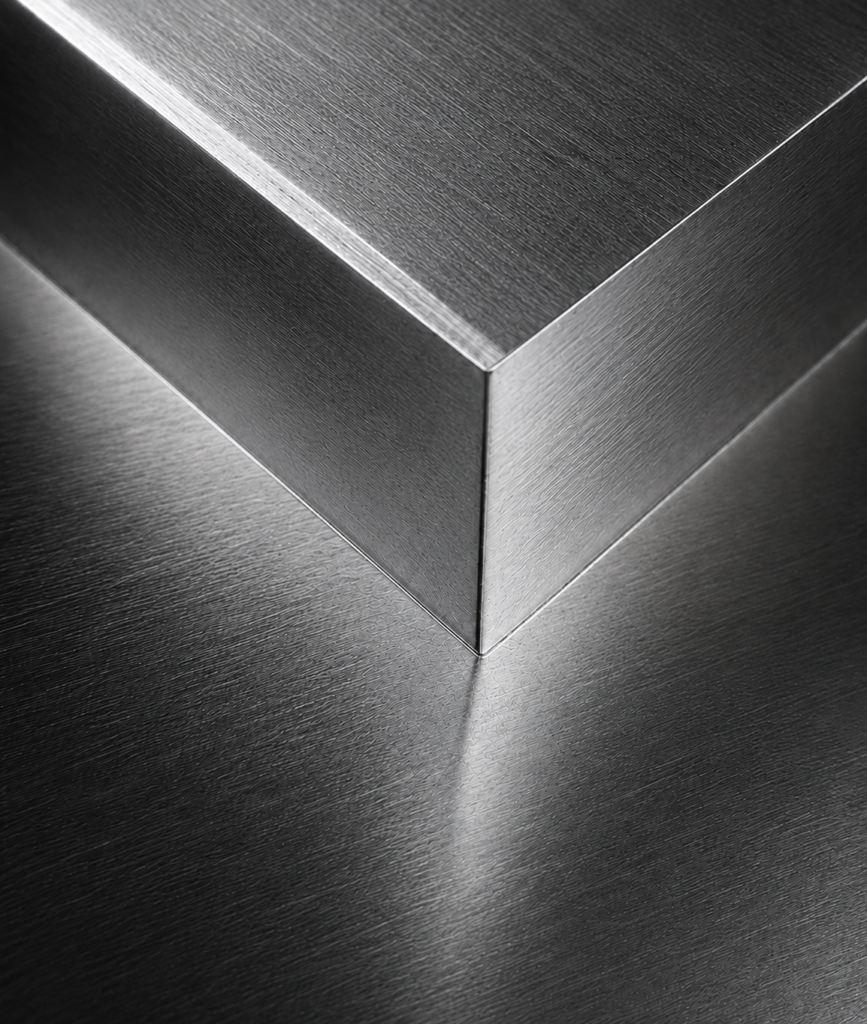
Steel

Steel

Steel is well-suited for laser welding thanks to its good absorption and predictable melting behavior, which ensures stable and efficient welding processes.

Strongest asset

Fast welding speed with deep penetration and minimal distortion

Typical use

Assembly, sheet metal and general structures where strength and productivity are key

Result

Strong, consistent welds with low thermal impact and high repeatability

Important consideration

Depending on the carbon content, correct parameter control is essential to avoid cracking and hardening in the heat-affected zone

Aluminium

Aluminium

Aluminium is more sensitive to heat due to its high thermal conductivity and reflection, but with laser technology, a stable and controlled weld pool is perfectly manageable.

Strongest asset

Targeted heat input that greatly limits deformation

Typical use

Light constructions, fine work and applications where finishing is essential

Result

Clean, strong welds with limited thermal impact and good control over the weld structure

Important consideration

Aluminum requires precise parameter and gas adjustment to ensure stability and protection of the weld pool

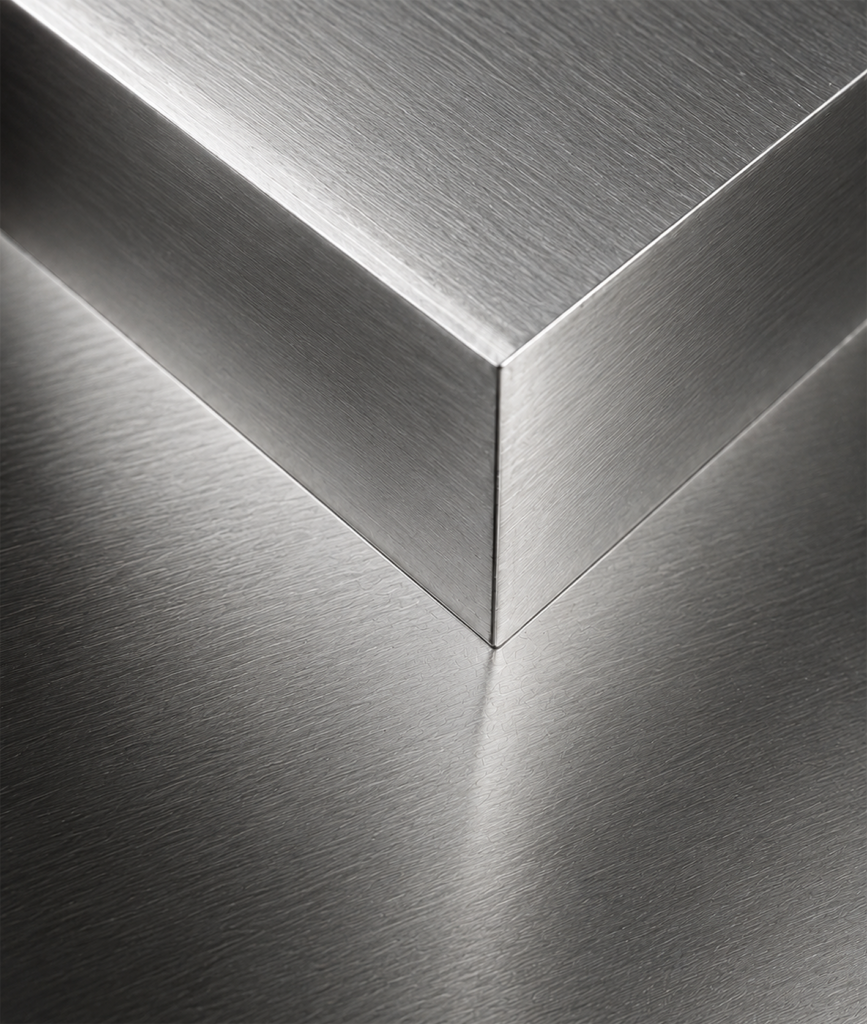
Stainless steel

Stainless steel

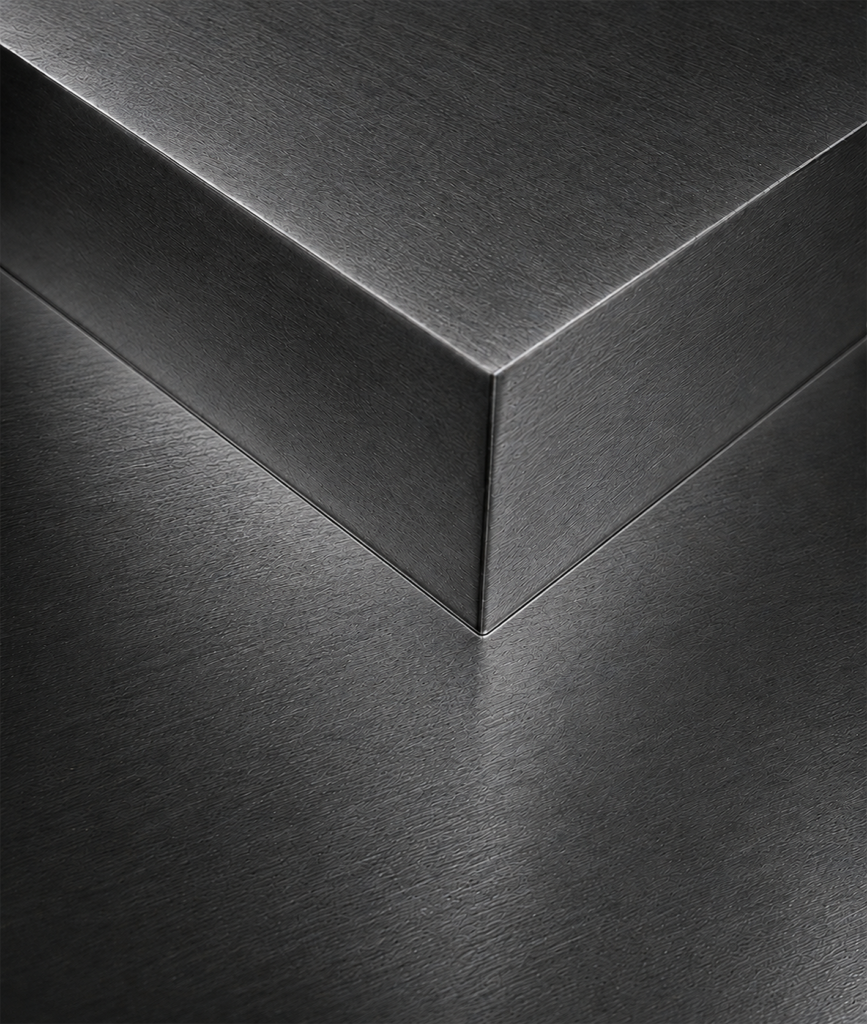
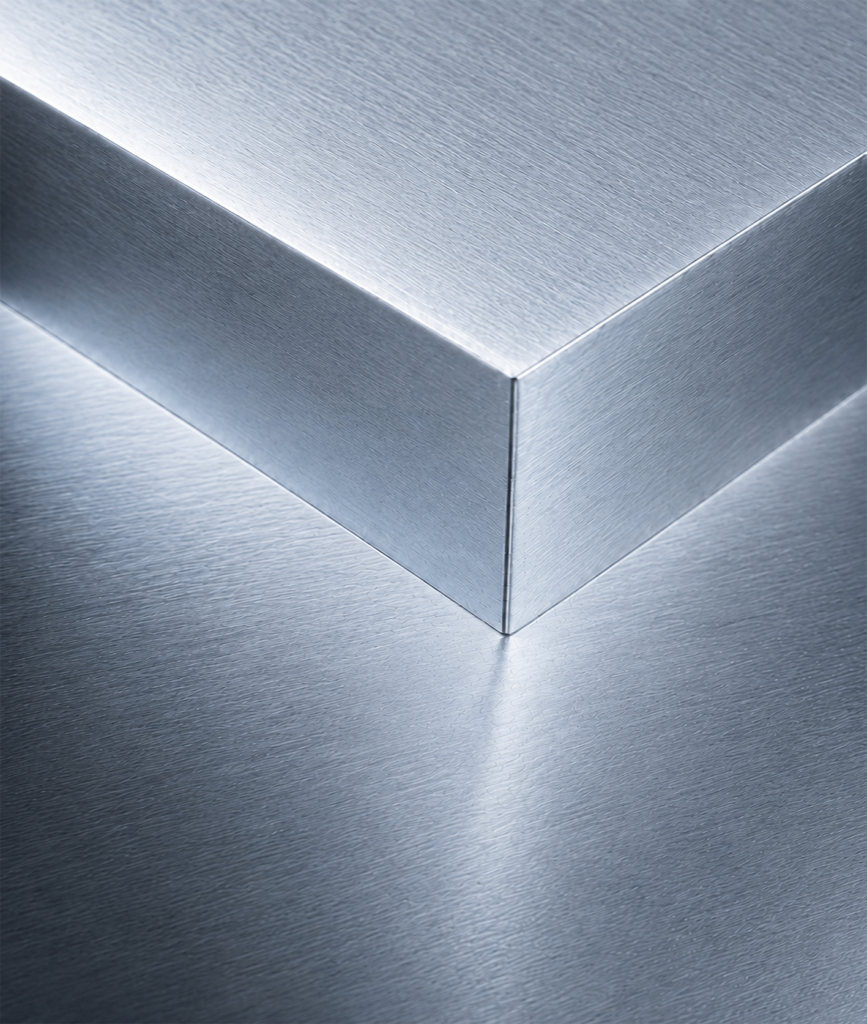
Stainless steel is excellent for laser welding thanks to its good absorption and controlled heat conduction, resulting in strong and visually high-quality connections.

Strongest asset

High-precision heat input with minimal distortion and a small heat-affected zone

Typical use

Due to its excellent corrosion resistance, stainless steel is used today in numerous sectors, from the food industry and medicine to construction.

Result

Tight, strong and aesthetic welds with limited post-processing

Important consideration

Stainless steel is divided into five types, in laser welding, precise heat control and the right choice of filler material are crucial.

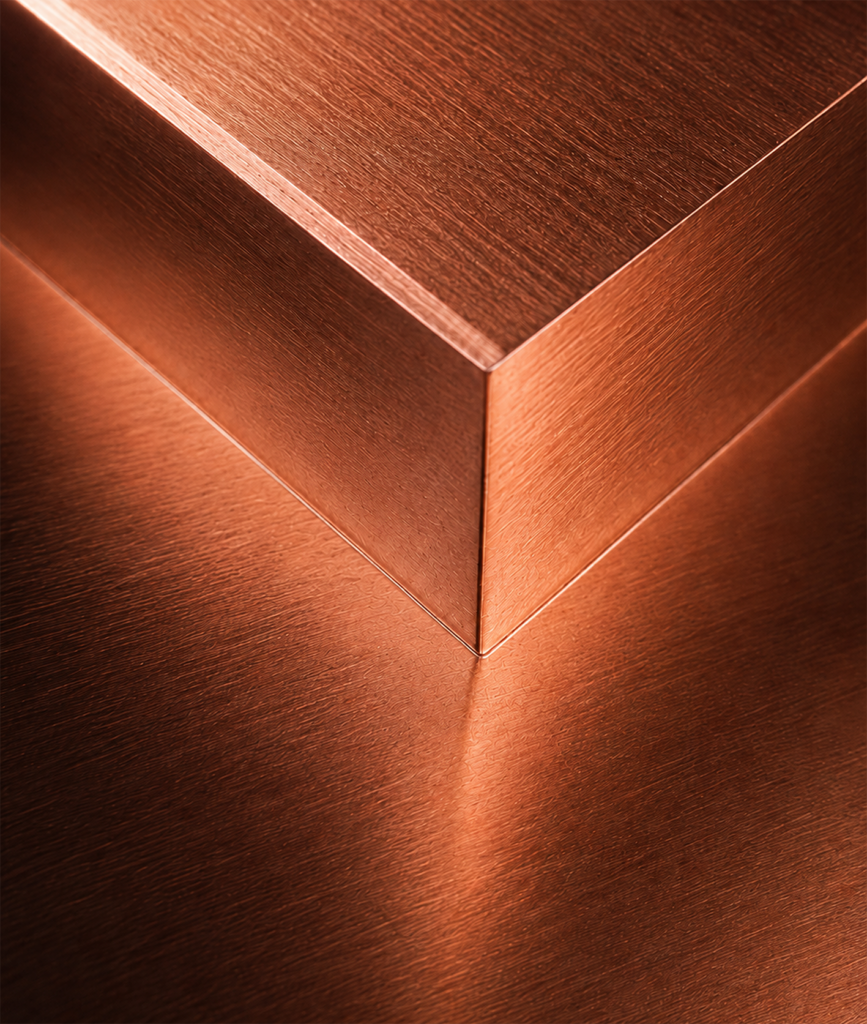
Copper and brass

Copper and brass

Copper and brass are challenging to weld due to their high reflectivity and thermal conductivity, but laser technology allows for a stable and controlled connection.

Strongest asset

Highly concentrated energy input, making even more difficult materials manageable

Typical use

Electrical components, busbars, fine joints and high conductivity applications

Result

Clean, accurate welds with limited thermal stress and preservation of material properties

Important consideration

Highly precise adjustment is essential to control reflections, heat dissipation and instability of the weld pool. Often, the laser is used in pulsating mode to control the heat input more accurately and thus ensure a more stable welding process.

Titanium

Titanium

Titanium is exceptionally light, strong, and corrosion-resistant, but it reacts quickly with oxygen at high temperatures, which can make welding challenging.

Strongest asset

Thanks to the highly concentrated heat input and the small heat-affected zone, titanium stays much shorter above the critical reaction temperature. This significantly reduces the risk of oxidation and contamination.

Typical use

Widely used in jet engines, aerospace applications, medical implants, and racing cars.

Result

Strong, clean welds with low distortion and a neat finish.

Important consideration

Titanium requires very correct gas protection, and preparation because it is sensitive to contamination during welding.

One technology, thousands of applications.

Laser technology makes it easier to work with any surface, from fine materials to harsh applications. Not years of experience, but the right parameters make the difference. Would you like to test it on your own equipment or in your own working environment? That’s possible.

  • Strong connections
    A strong weld and a tight finish do not have to be mutually exclusive. Thanks to the controlled and accessible technology, you get clean connections with little to no post-processing, so that fast and efficient work goes hand in hand with a high-quality end result.
  • Less distortion, less post-processing
    Because the heat is introduced in a much more targeted way, the impact on the material is limited and the risk of deformation is greatly reduced. This keeps the workpiece in better shape and reduces the time spent on straightening, grinding or other post-processing.
  • Consistently repeatable quality
    Once the right parameters have been set, they can be easily saved and reused over and over again. This makes quality much less dependent on the operator and you get a result that is just as tight and reliable every time.
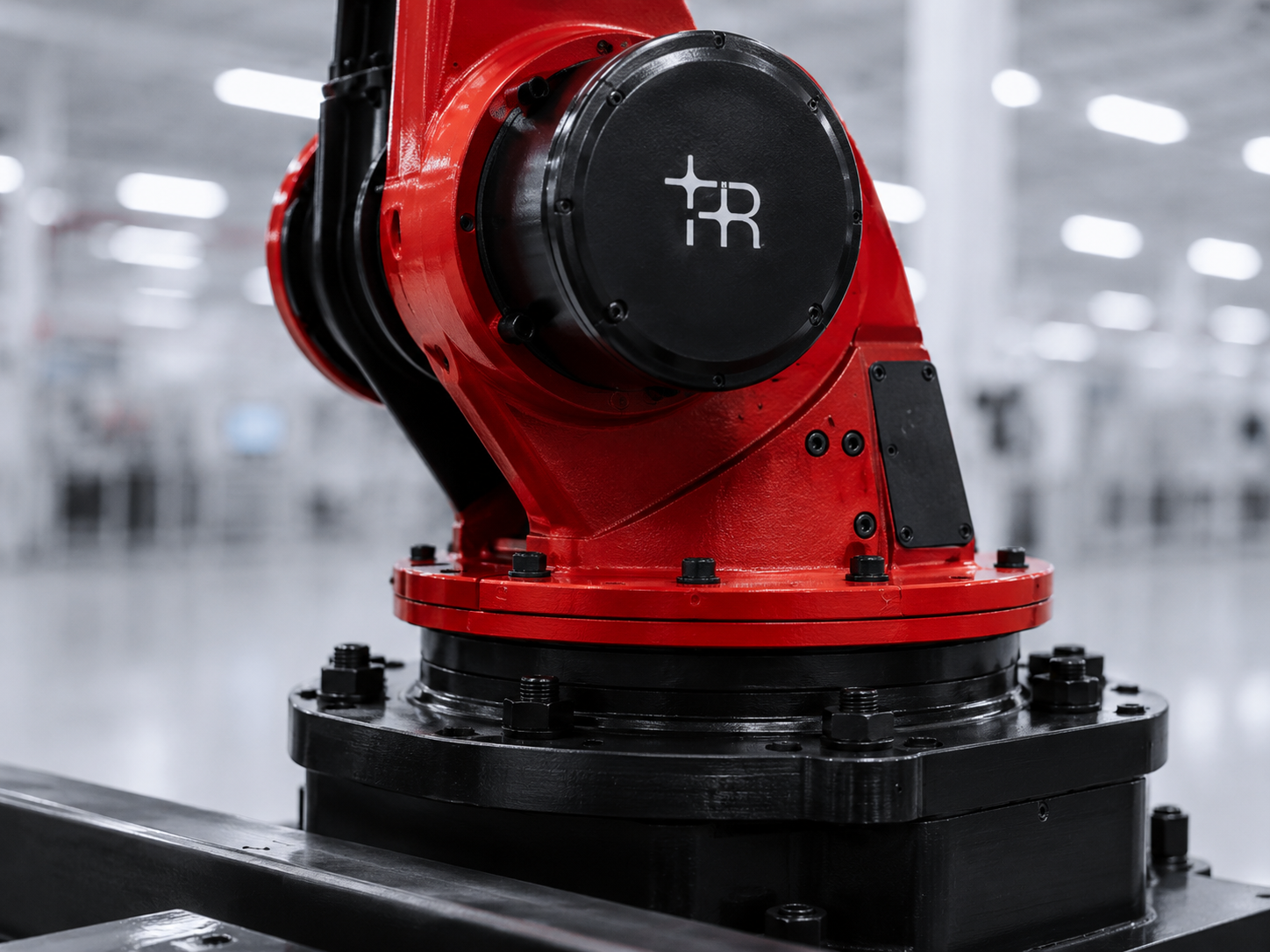
  • Robotize, co-botize or fully automate.
    Laser welding lends itself perfectly to automation and is therefore the ideal choice for companies that are committed to Industry 4.0. Thanks to its high precision, consistent quality and easy integration, automation is the perfect basis for future-oriented production.

Our solutions

Often the best technology is only available to a select group. We change that by serving every layer of the market, no matter how broad or limited your demand is. You bring the challenge, we have the solution.
Weldr

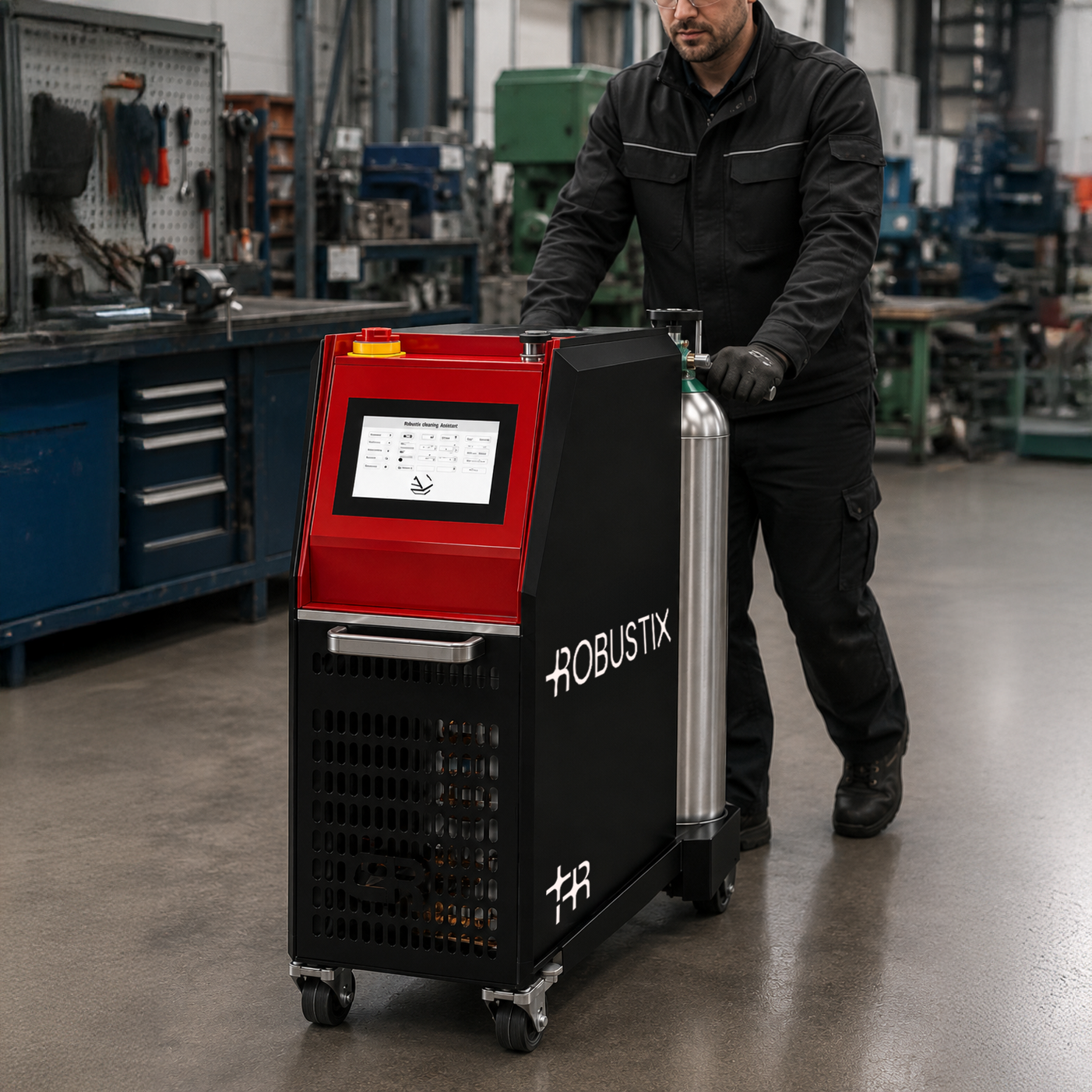
  • Ideal for assembly work and targeted welding work
  • Strong in repairs and versatile assignments
  • Always reliable and quickly deployable

Photonweld

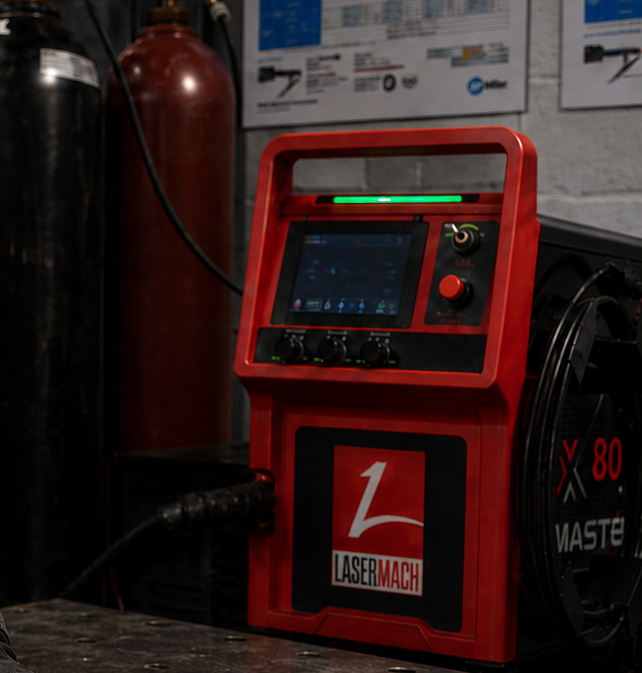
  • Built for longer production runs
  • Less post-processing, more output
  • Ready for intensive industrial use

Tailor-made automation

  • Completely tailored to your company
  • Stable output, more continuity & scalability
  • From robot cells to full process automation