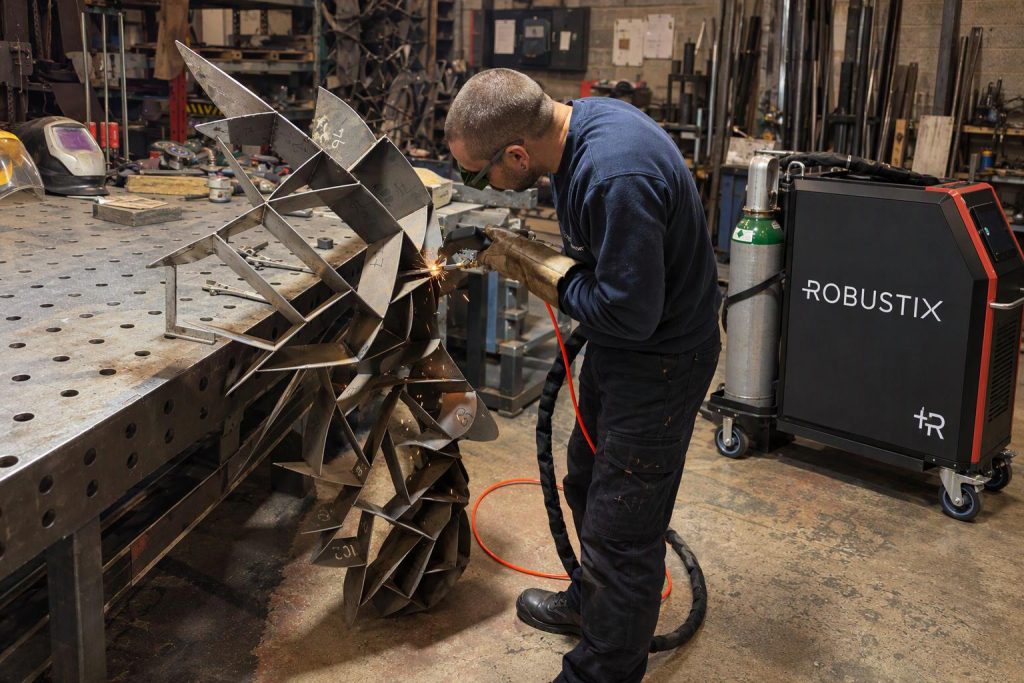
Laser welding systems for every application

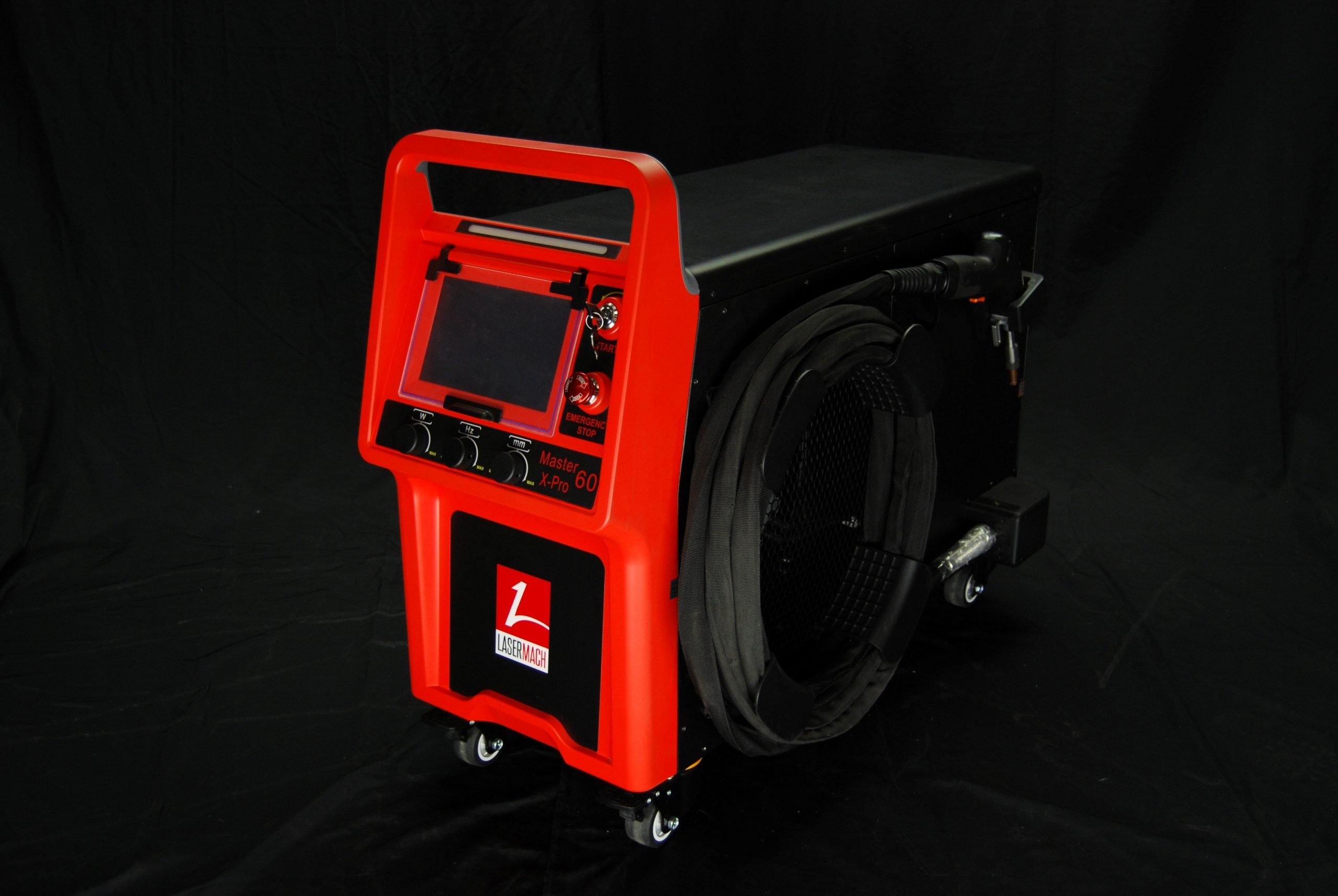
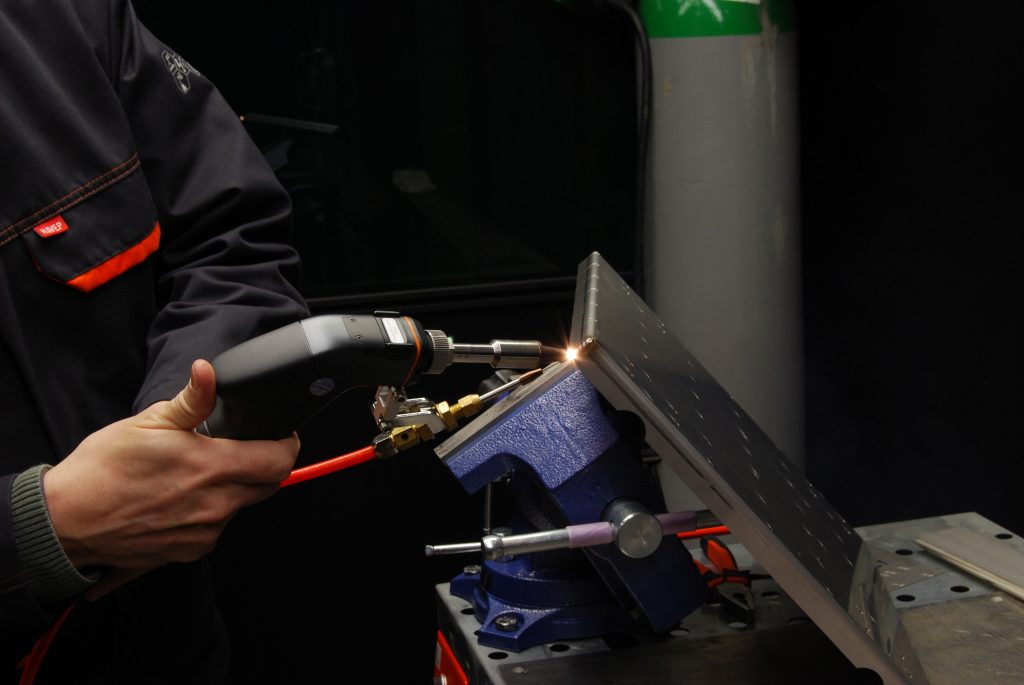
Whether you are looking for a compact and mobile laser welding machine or a system for intensive daily use, Robustix offers a solution that fits your production environment. Discover our own Weldr range or the high-quality PhotonWeld systems and compare the possibilities.

Weldr - Manufacturer

For general professional & industrial applications


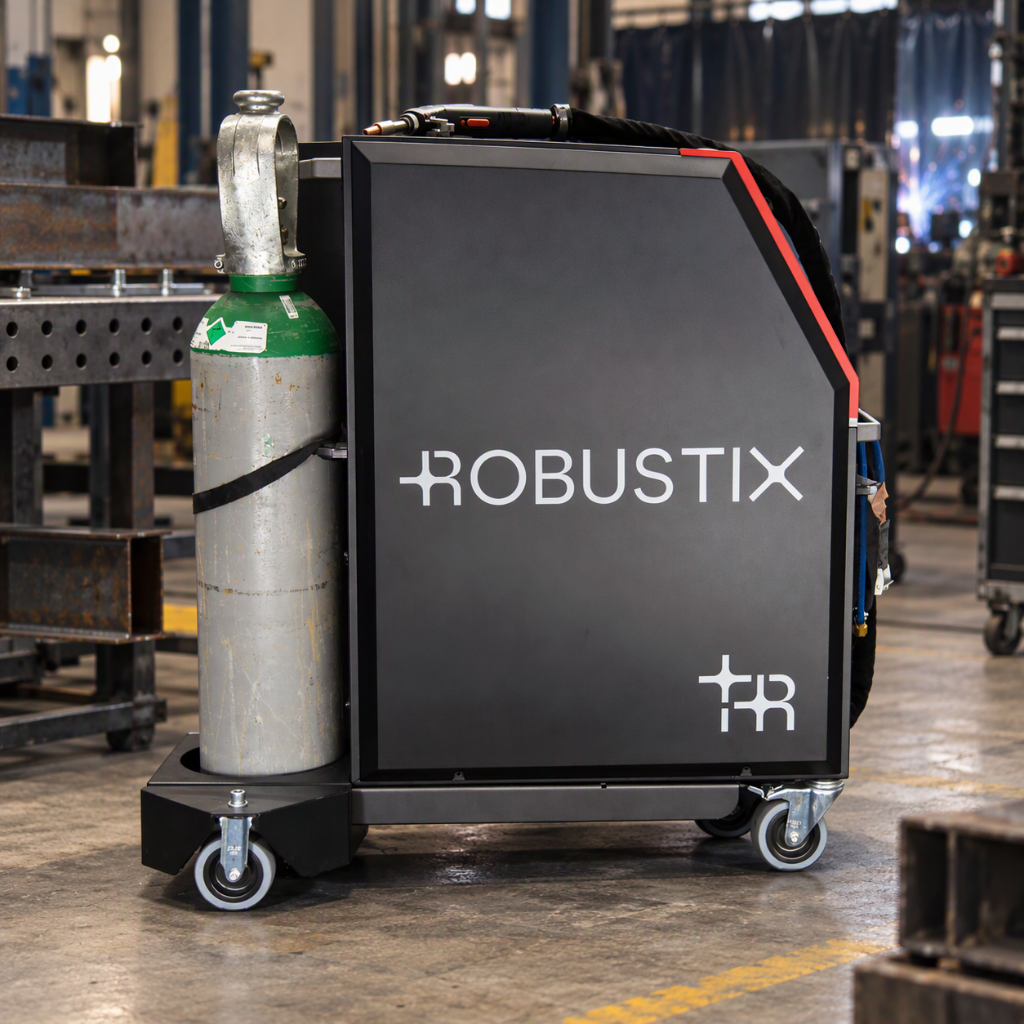
The Weldr series delivers powerful welding performance. Its air-cooled technology makes these systems ideal for general assembly work, custom manufacturing and machine building.


  • Belgian development, production, training & service
  • Air-cooled, low-maintenance and ideal for the vast majority of professional welding applications
  • Compact and easy to move
  • Suitable for steel, stainless steel, aluminium and more
  • Up to 8 mm welding penetration
  • Quick start-up and minimal maintenance requirements


Ideal for workshops, assembly work, maintenance departments and general production

PhotonWeld - Distributor

For heavy-duty industrial applications


PhotonWeld systems are designed for companies with high daily welding volumes or applications requiring maximum performance. Thanks to heat pump cooling, these systems are suitable for demanding production environments and extended operating periods.


  • Belgian training, support and service
  • Heat pump cooling for a duty cycle of up to 100%
  • Designed for continuous industrial use
  • Stable performance during long production runs
  • Up to 10 mm welding penetration
  • Easy integration with cobots and robots for full automation


Ideal for manufacturing companies with high welding volumes and demanding applications.

Laser safety

Work safely and in compliance with laser technology


Laser technology offers significant advantages when used correctly. That is why we support companies with safety solutions that combine protection, ease of use and productivity.


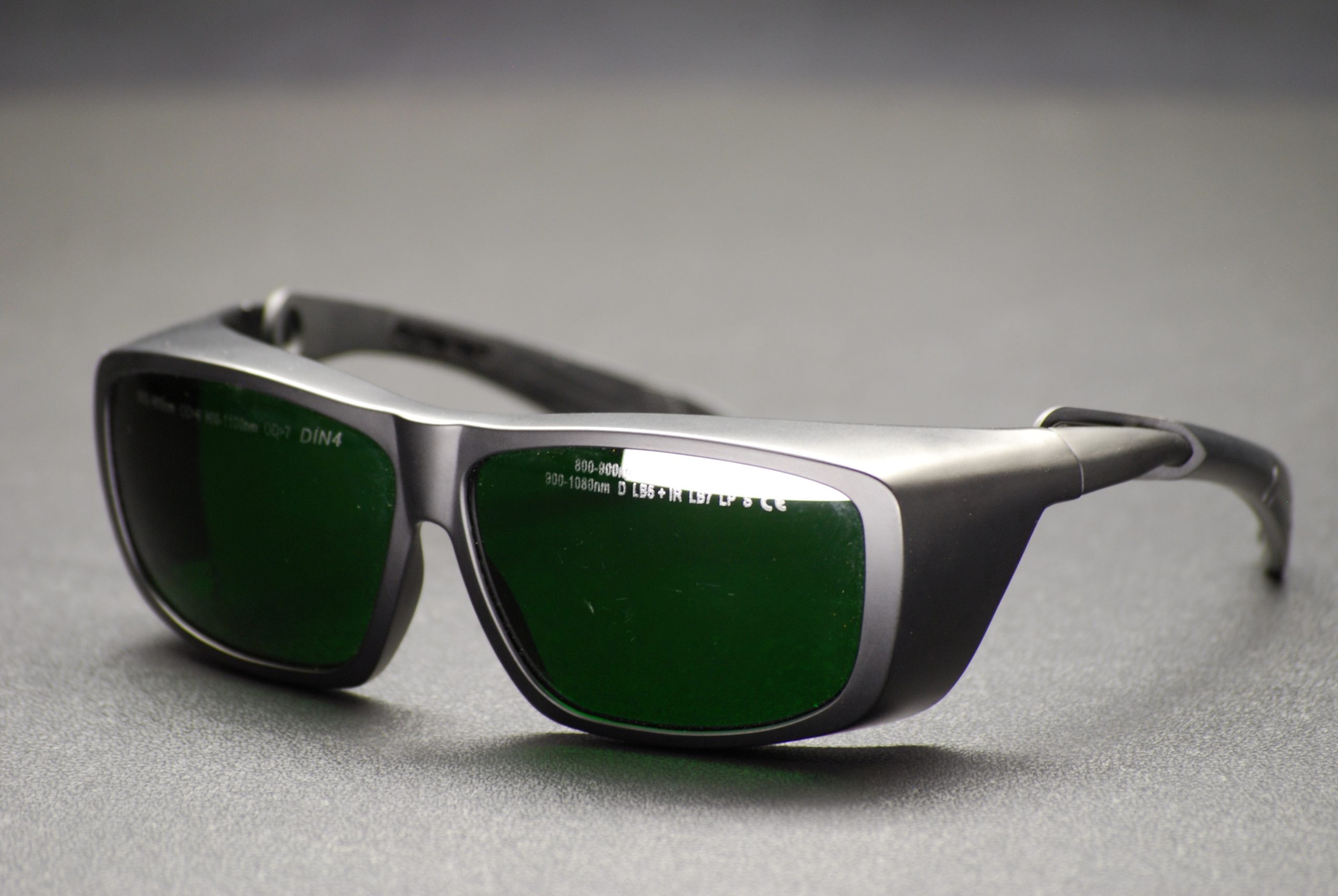
  • Laser safety glasses
  • Protective clothing
  • Safety enclosures, laser cabins and custom safety solutions
  • Safety training for operators and responsible personnel
  • Support for safe and compliant implementation


Ideal for companies that want to work safely, efficiently and in compliance with laser technology.

Laser welding with all materials

There is no need to choose between conventional welding and laser welding. Just like radio and television, both technologies can complement each other perfectly. Today, laser technology is a powerful addition to any welding setup and, for many companies, exactly the solution they have been looking for. Our focus is therefore entirely on laser technology. Whatever your challenge, we are here to help.
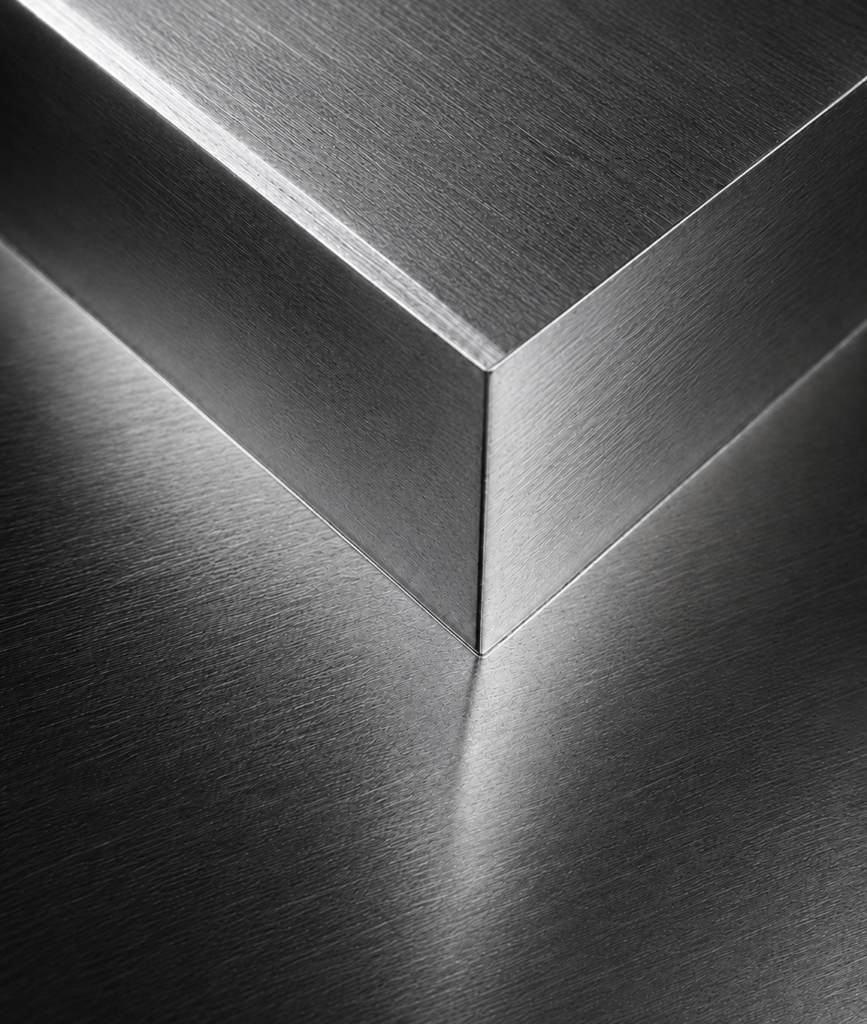
Steel

Steel

Steel is highly suitable for laser welding thanks to its good absorption and predictable melting behaviour, resulting in stable and efficient welding processes.

Strongest asset

High welding speed with deep penetration and minimal distortion

Typical use

Assembly work, sheet metal fabrication and general constructions where strength and productivity are key

Result

Strong, consistent welds with limited thermal impact and high repeatability

Important consideration

Depending on the carbon content, correct parameter control is essential to prevent cracking and hardening in the heat-affected zone.

Aluminium

Aluminium

Aluminium is sensitive to heat due to its high thermal conductivity and reflectivity, but with laser technology the molten pool can be controlled in a stable and precise manner.

Strongest asset

Targeted heat input, keeping distortion to a minimum

Typical use

Lightweight constructions, precision work and applications where the finish is essential

Result

Clean, strong welds with limited thermal impact and good control over the weld structure

Important consideration

Aluminium requires precise parameter and shielding gas settings to ensure stability and proper protection of the molten pool.

Stainless steel / Inox

Stainless steel / Inox

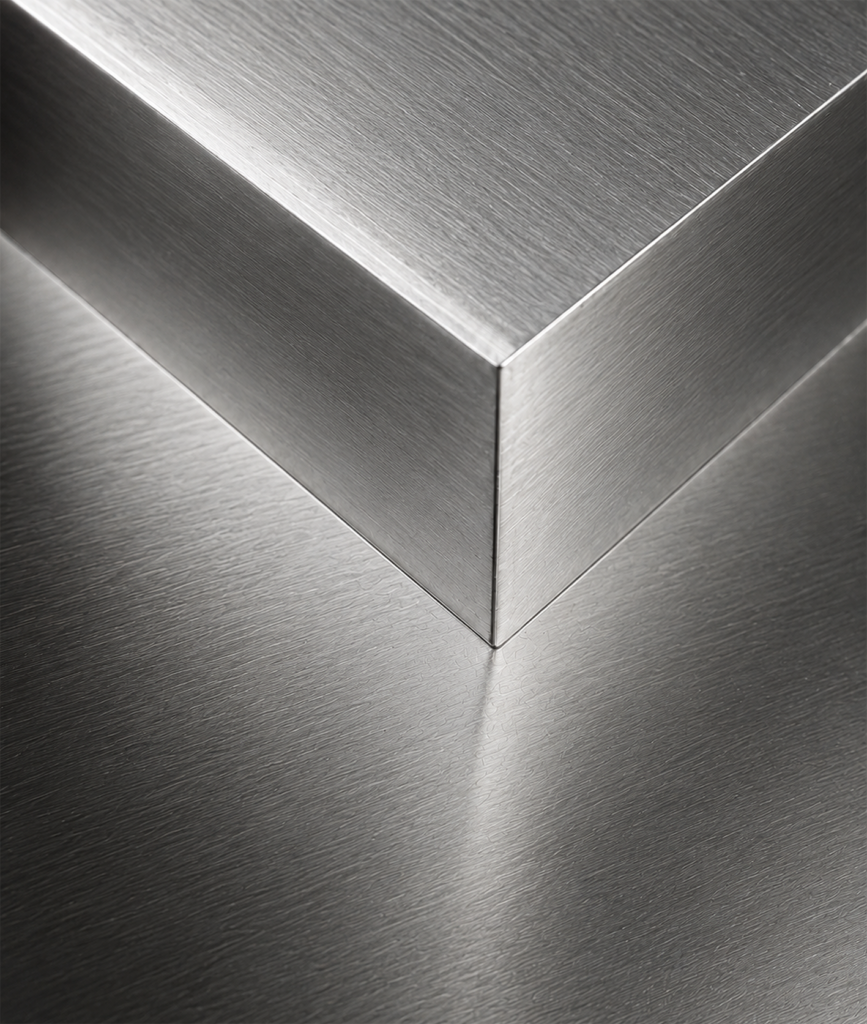
Stainless steel and Inox are highly suitable for laser welding thanks to their good absorption and controlled heat conduction, resulting in strong and visually high-quality joints.

Strongest asset

Precise and refined welds with minimal post-processing

Typical use

Thanks to its excellent corrosion resistance, stainless steel is widely used in industries ranging from food processing and medical applications to construction.

Result

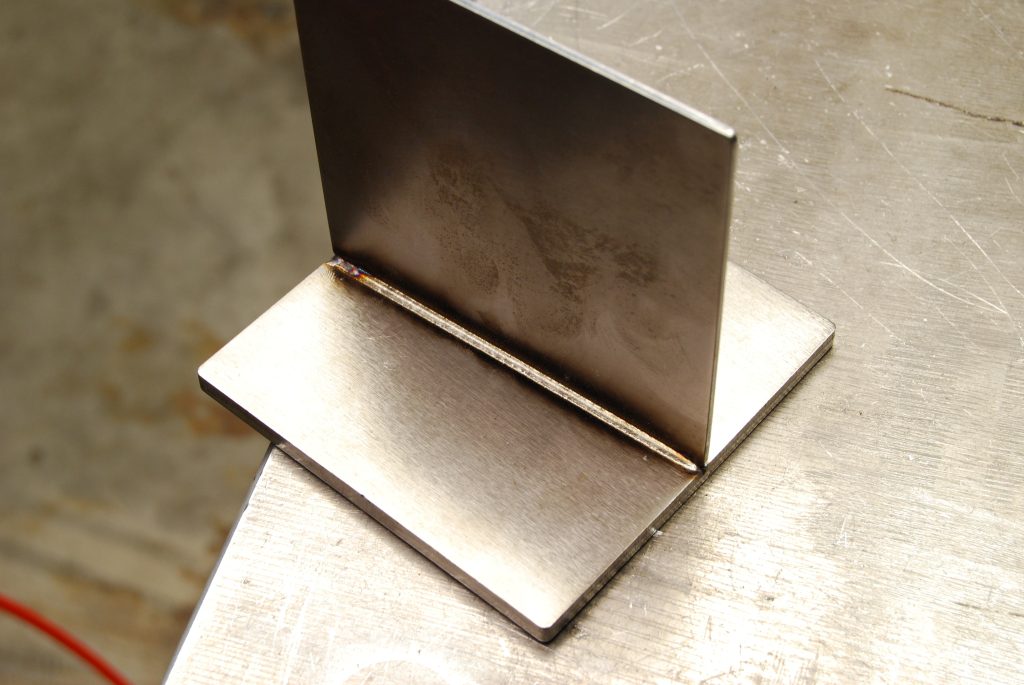
Clean, strong and aesthetically pleasing welds with minimal post-processing

Important consideration

Stainless steel is available in many different grades. For laser welding, precise heat control and the correct choice of filler material are particularly important.

Copper and brass

Copper and brass

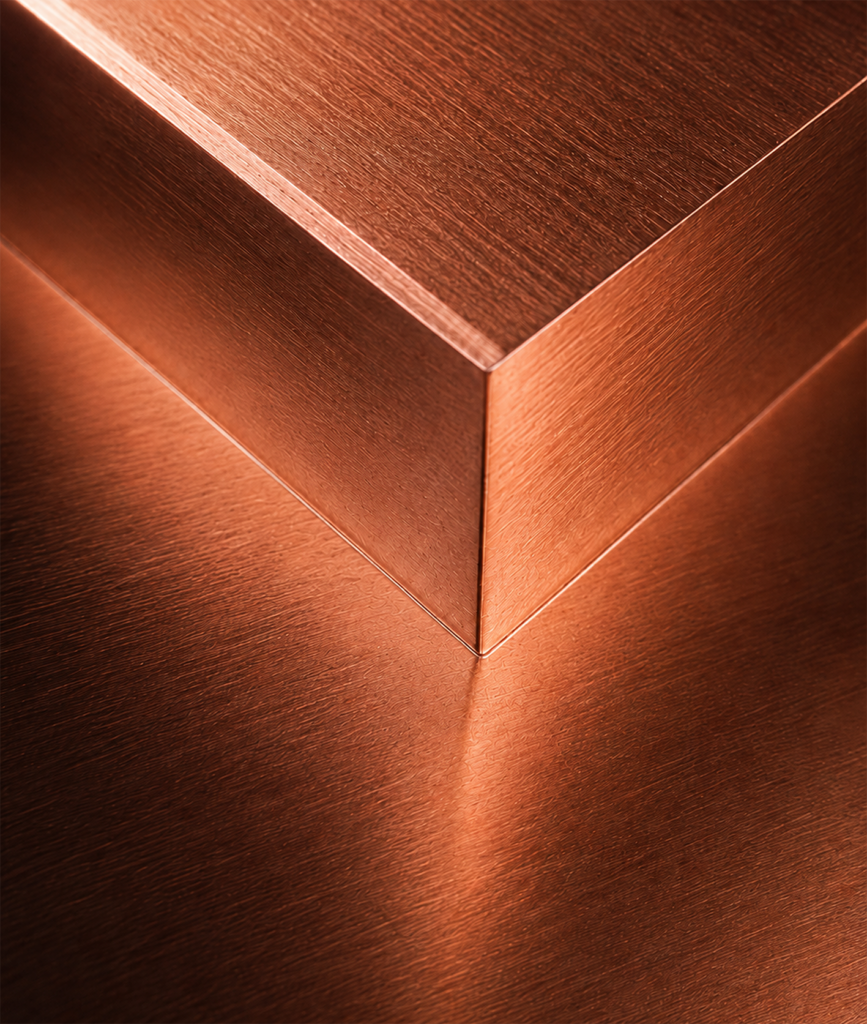
Copper and brass are challenging to weld due to their high reflectivity and thermal conductivity, but laser technology enables a stable and controlled weld.

Strongest asset

Highly concentrated energy input, making even more challenging materials manageable

Typical use

Electrical components, busbars, precision joints and applications requiring high conductivity

Result

Clean, precise welds with limited thermal impact while preserving material properties

Important consideration

Very precise settings are essential to control reflections, heat dissipation and instability in the molten pool. The laser is often used in pulsed mode to control heat input more precisely and ensure a stable welding process.

Titanium

Titanium

Titanium is exceptionally lightweight, strong and corrosion-resistant, but reacts quickly with oxygen at high temperatures, which can make welding challenging.

Strongest asset

Thanks to the highly concentrated heat input and small heat-affected zone, titanium remains above the critical reaction temperature for a much shorter time. This significantly reduces the risk of oxidation and contamination.

Typical use

Widely used in jet engines, aerospace applications, medical implants and racing vehicles.

Result

Strong, clean welds with minimal distortion and a neat finish.

Important consideration

Titanium requires very precise gas shielding and preparation because it is sensitive to contamination during welding.

What can you do with it?

Six applications where laser welding makes the difference

Laser welding does not replace TIG welding in every situation. However, it truly comes into its own when speed, limited heat input, a strong weld and minimal post-processing are important. These are applications where a handheld laser can quickly deliver significant benefits.

Fast and strong joints

Ideal for sheet metal, frames and constructions where speed and minimal distortion are important. Thanks to the low heat input, components retain their shape more effectively.
Local repairs without excessive heat

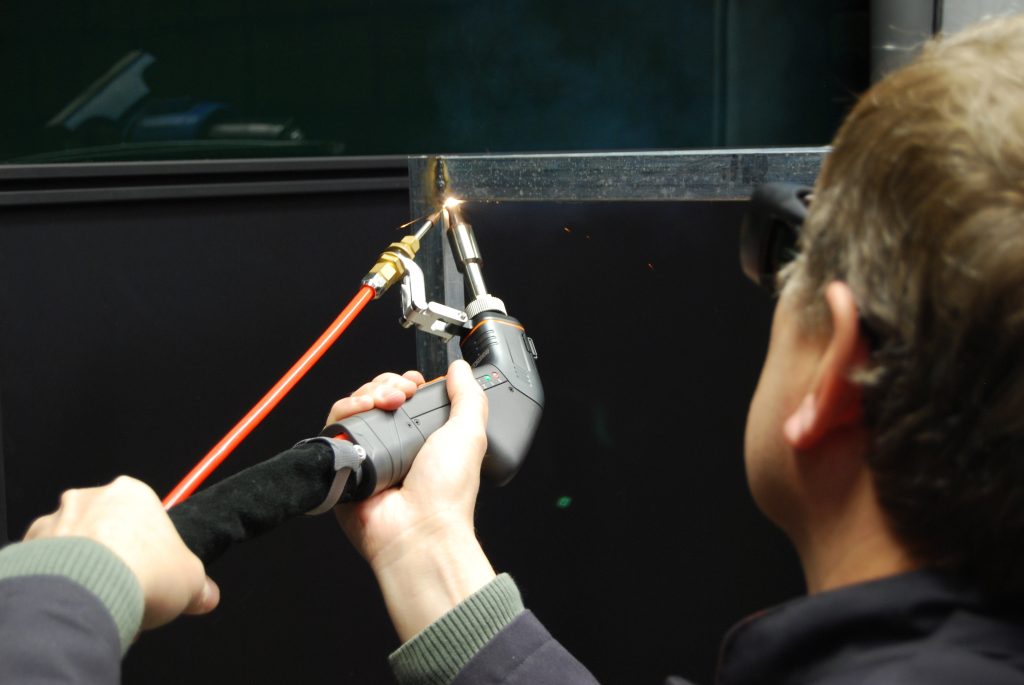
Carry out repairs with precisely controlled heat input, without unnecessarily affecting large areas of the workpiece. Ideal for maintenance, modifications and adjustments.
Stainless steel and visible welds

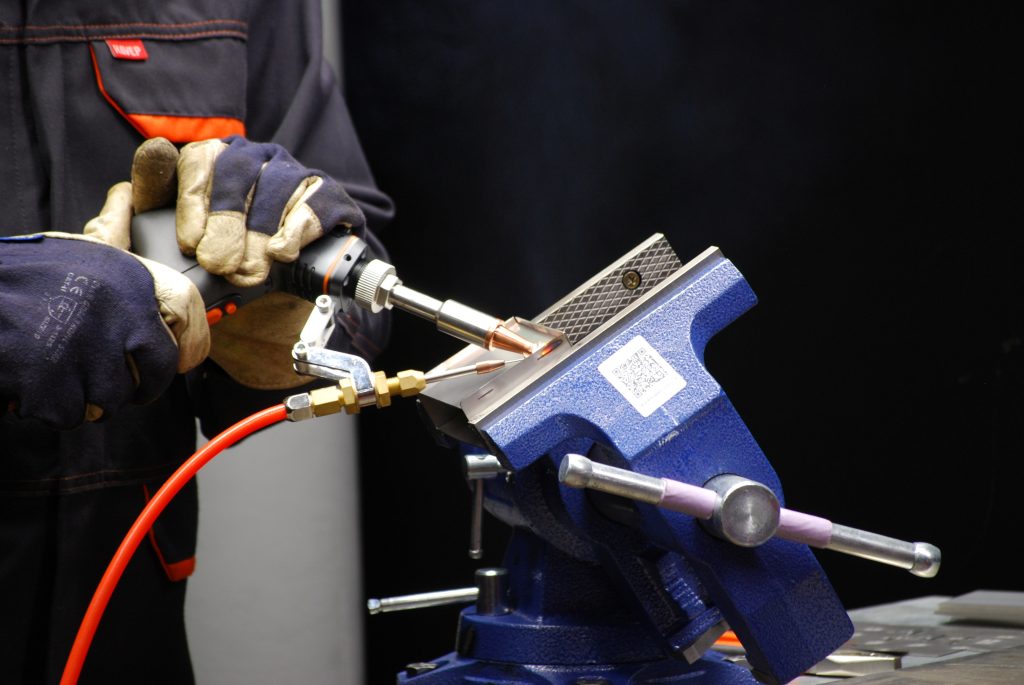
Perfect for applications where the weld remains visible. The narrow, clean weld seam reduces grinding and polishing work and ensures a high-quality finish.
Aluminium - Less distortion, more control

Thanks to the targeted heat input, thin and lightweight structures retain their shape more effectively. Ideal for aluminium components where dimensional accuracy is important.
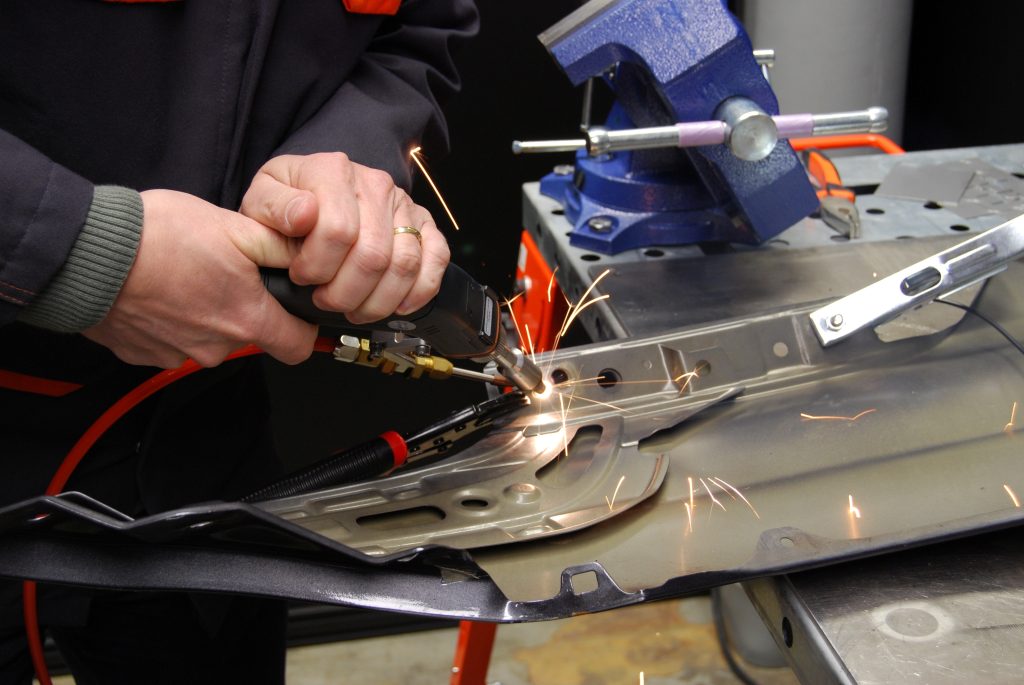
Consistent quality, part after part

Thanks to preset welding parameters, operator influence is reduced and weld quality remains consistent across all parts.
Robotic welding and automation

Preset parameters and precise robot movements ensure identical weld seams, regardless of the operator or production run. Ideal for series production with high quality requirements.

How it works

Four steps on the shop floor

  1. 01

    Fit-up

    Laser welding requires proper fit-up, but makes the process simpler, faster and more repeatable afterwards. Thanks to the limited heat input, distortion is minimized and less post-processing is required.

  2. 02

    Parameters

    Save the welding parameters for each application. This ensures that every operator works with the same settings and that weld quality remains consistent from the first to the last workpiece.

  3. 03

    Welding

    With or without filler wire, the heat is concentrated in a small area, resulting in less distortion. Higher welding speeds are also possible.

  4. 04

    Finishing

    This is often where the greatest time savings are achieved. The narrow weld seam and limited heat input reduce the need for rework, grinding and polishing. This shortens not only the welding time, but the entire production process.

Compared to TIG

Not better or worse, just different. TIG and laser welding each have their place on the shop floor. TIG offers greater flexibility for larger tolerances and complex joint geometries. Laser welding excels when speed, repeatability, limited heat input and minimal post-processing are important.

Laser TIG
Speed Faster for repetitive work and series production. Controlled, step by step.
Heat input Highly concentrated. Minimal distortion. Wider heat-affected zone, resulting in more heat input into the workpiece.
Weld quality Repeatable once the parameters are set. Quality depends more strongly on the operator.
Gap tolerance Proper fit-up is important. A small gap is possible. Larger gaps are easier to accommodate.
Post-processing No or limited post-processing required. Often requires post-processing such as grinding and polishing.

FAQ

De vragen die op de werkvloer eerst komen.

Is laser welding safe?

It is no more or less than classic welding. As with any welding technique, safety depends on the right guarding, PPE and a correct working environment. With the right precautions, laser technology is therefore just as safe and as manageable as traditional welding.

More detail

Is there distortion in laser welding?

No, not like in classic welding. Due to the much more targeted heat input, the thermal impact on the material is more limited, which greatly reduces deformation. With the right settings, fit and choice of material, laser technology continues to work in a much more controlled and dimensionally stable way than traditional welding techniques.

More detail

What determines the quality of a laser weld?

This depends mainly on a good fit, correct parameters and a stable working environment. Once that basis is right, the result becomes very consistent and much less dependent on the operator. This is precisely one of the great strengths of laser welding: quality is much more repeatable.

More detail

What is the return on investment of a laser welding machine?

That depends on how intensively the device is used, but in practice the payback period often turns out to be surprisingly short. Because the profit is spread over the entire process, from faster welding to less post-processing and rework, a device such as Weldr often pays for itself within 6 to 12 months with daily use.

More detail

Laser welding vs TIG welding: what are the real differences?

The difference is mainly in how both techniques work in the workplace. TIG offers more flexibility with less than perfect fit, while laser welding excels in speed, precision and limited heat input. Which technique fits best therefore depends mainly on the application, preparation and the desired end result.

More detail

Request a free demo

Discover what works for your production

Bring your own parts to our test center and experience the possibilities of laser welding firsthand. Our specialists will help you select the right power level, the most suitable machine and the optimal welding parameters for your application.